Master Your Cholesterol Through Smart Nutrition
Discover how strategic dietary choices can transform your cholesterol profile and support your long-term wellness. At Vitalmalenutri, we explore evidence-based nutrition strategies that help you take control of your health.
The information on this site is for educational purposes only and does not constitute medical advice. Always consult a qualified healthcare professional before making health decisions.
Understanding Cholesterol Awareness
Cholesterol management is one of the most important factors in maintaining cardiovascular wellness. Many people struggle with cholesterol levels due to dietary habits and lifestyle choices. The good news? Strategic nutrition changes can make a measurable difference. This guide will help you understand how food choices directly impact your cholesterol numbers and overall wellness profile.
Why Nutrition Is Your Most Powerful Tool
Your daily food choices directly influence your cholesterol levels, inflammation markers, and overall cardiovascular health. Unlike temporary interventions, a sustainable nutrition strategy addresses the root causes of imbalanced cholesterol by supporting your body's natural processes through whole foods and strategic eating patterns.
Evidence-Based Strategies
Our approach combines decades of nutritional science with practical, actionable insights for everyday eating.
Personalized Food Guidance
Learn which foods support healthy cholesterol and which ones to limit or replace with better alternatives.
Sustainable Lifestyle Change
Build long-term eating habits that support your cholesterol goals and overall wellness without restrictive dieting.
The Impact of Nutrition-Based Cholesterol Management
Whole Food Focus
Plant-based and nutrient-dense foods form the foundation of cholesterol-supportive nutrition strategies.
Cardiovascular Support
Strategic eating patterns help maintain balanced cholesterol numbers and support heart health naturally.
Measurable Progress
Track your cholesterol journey with practical guidance that shows real, sustainable improvements over time.
Expert Knowledge
Access detailed nutritional guidance grounded in contemporary dietary science and practical experience.
Essential Foods for Healthy Cholesterol
Whole Grains
Oats, barley, brown rice, and whole wheat contain soluble fiber that helps maintain healthy cholesterol levels. These foods are staples of cholesterol-supportive nutrition plans.
Learn MoreLegumes & Beans
Lentils, chickpeas, and beans are protein powerhouses packed with fiber and plant compounds that support cardiovascular wellness. Incorporate them regularly into your meal planning.
View Meal PlansNuts & Seeds
Almonds, walnuts, chia seeds, and flax seeds provide healthy fats and nutrients beneficial for cholesterol management. Use them as snacks or meal additions.
Discover OptionsFatty Fish
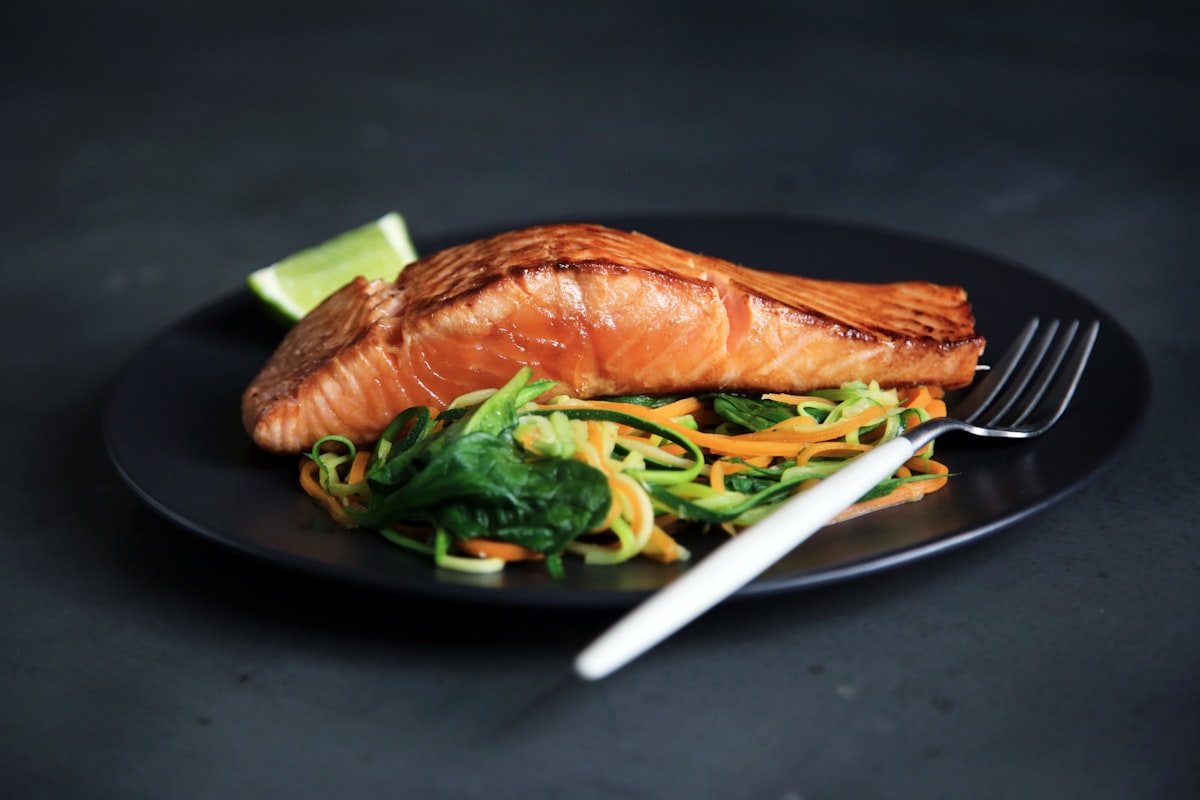
Salmon, mackerel, and sardines are rich in omega-3 fatty acids that actively support healthy cholesterol balance and cardiovascular function. Eat 2-3 servings weekly.
More ProteinsCruciferous Vegetables
Broccoli, cauliflower, Brussels sprouts, and kale are nutrient-dense vegetables that support overall wellness and cholesterol management through their unique phytonutrient profiles.
Plan Your MealsHealthy Oils
Olive oil and other plant-based oils contain monounsaturated fats that contribute to balanced cholesterol profiles. Use them in cooking and salad dressings.
Cooking TipsYour Cholesterol Nutrition Journey
Assess Your Current Habits
Begin by understanding your current eating patterns and how they affect your cholesterol. Review what you typically eat and identify areas for positive change.
Learn Nutritional Principles
Study the evidence behind cholesterol-friendly nutrition. Understand which foods support your goals and why fiber, healthy fats, and plant compounds matter.
Build Your Plan
Create a personalized nutrition strategy that fits your lifestyle. Explore our meal plans and food guides to design sustainable eating patterns.
Track & Refine
Monitor your progress and adjust your approach as needed. Small, consistent dietary changes compound into meaningful long-term wellness improvements.
Common Questions About Cholesterol and Nutrition
HDL (high-density lipoprotein) is often called "good" cholesterol because it helps remove cholesterol from your bloodstream. LDL (low-density lipoprotein) is often called "bad" cholesterol because excess amounts can build up in your arteries. A balanced nutrition strategy focuses on increasing HDL through foods rich in healthy fats and fiber while managing LDL through reduced intake of saturated and trans fats.
Many people notice improvements in their cholesterol levels within 3-4 weeks of making consistent dietary changes. However, the timeline varies based on individual metabolism, starting cholesterol levels, and how strictly you follow the nutrition strategy. Most meaningful changes develop over 2-3 months of sustained dietary modifications. Regular eating habits compound into lasting results.
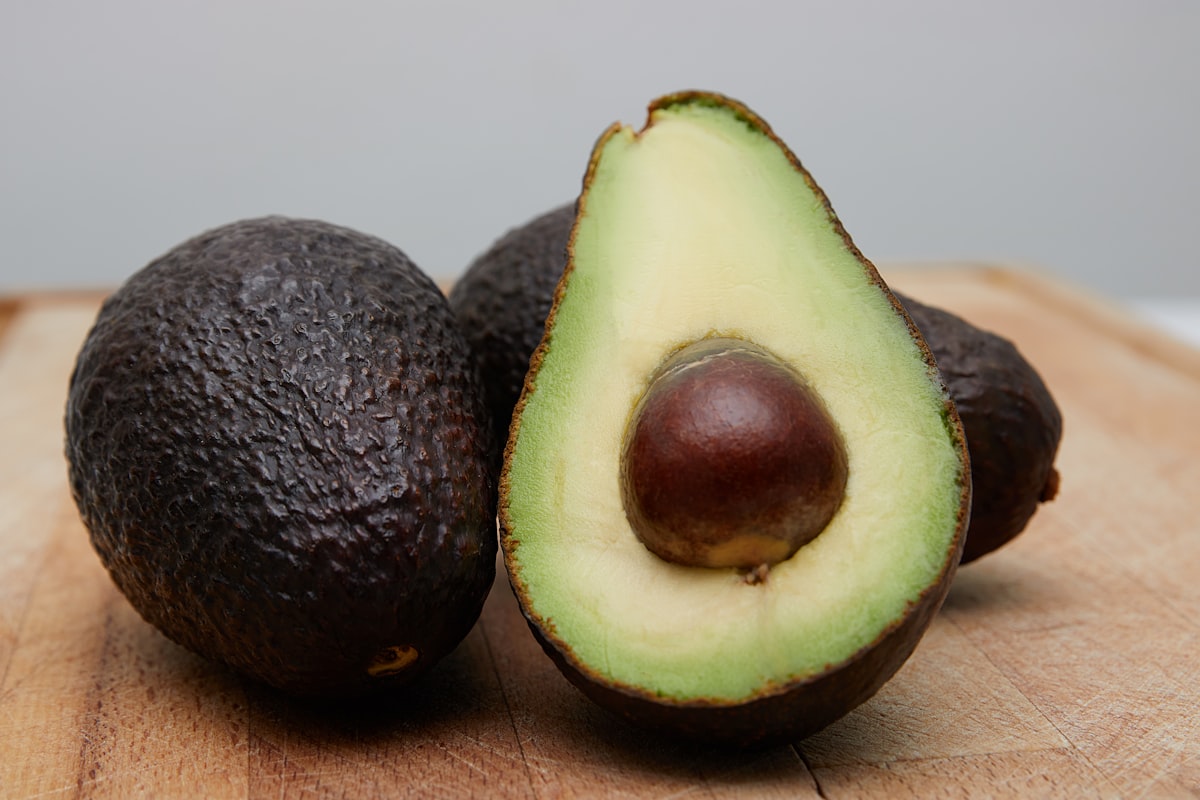
No. The type and amount of fat matters more than total fat intake. Healthy fats from nuts, seeds, fatty fish, olive oil, and avocados actually support cholesterol management. What you should limit are trans fats and excess saturated fats. Our nutrition guides explain which fats to emphasize and which to minimize for optimal cholesterol balance.
Yes. Soluble fiber found in oats, beans, apples, and barley actively helps reduce cholesterol levels. This fiber binds to cholesterol molecules in your digestive system, helping your body eliminate them. Including 7-10 grams of soluble fiber daily supports cholesterol management. Our food guide identifies the best high-fiber options for your nutrition plan.
Coconut oil is high in saturated fat, which may raise LDL cholesterol in some individuals. Most nutrition experts recommend limiting its use and emphasizing oils like olive, canola, and other plant-based options with healthier fat profiles. Our detailed food guide compares cooking oils and helps you make informed choices aligned with cholesterol management goals.
Exercise and nutrition work synergistically. While nutrition directly affects cholesterol levels through food choices, regular physical activity supports HDL (good) cholesterol and overall cardiovascular wellness. For optimal results, combine your cholesterol-friendly nutrition strategy with consistent moderate activity like brisk walking, swimming, or cycling. This integrated approach produces the best outcomes.
What Our Community Members Share
"The food guide was incredibly helpful. I discovered so many delicious foods I didn't realize were cholesterol-friendly. Within two months of following the recommendations, my numbers improved significantly. What impressed me most was how sustainable these changes are—I'm not feeling restricted at all."
Budi Santoso
Surabaya
"I was skeptical about making major dietary changes, but the nutrition plans made everything clear and practical. The content explained not just what to eat, but why each food matters for cholesterol management. I've recommended Vitalmalenutri to several friends already."
Rinto Wijaya
Jakarta
"As someone managing cholesterol for the first time, I found the educational approach really empowering. Instead of feeling like I'm on a restrictive diet, I feel like I'm making informed choices that genuinely support my health. The articles answered questions I didn't even know I had."
Adi Pratama
Bandung
Start Learning Today
Explore our comprehensive food guide and discover which foods support your cholesterol management goals.
Read the Food GuideReady for a Personalized Approach?
Browse our nutrition plans designed to support sustainable cholesterol management and long-term wellness.
Explore Nutrition PlansYour Cholesterol Wellness Journey Starts Here
Vitalmalenutri provides evidence-based nutritional insights and practical guidance for managing cholesterol through food. Whether you're just beginning to explore cholesterol management or refining your current approach, our comprehensive resources support your wellness goals.
Have questions? Contact our editorial team for content feedback and inquiries.