Master Your Heart Health: The Nutrition Revolution
Cholesterol management doesn't require drastic measures. Through evidence-based nutritional strategies, you can support healthy cholesterol levels naturally and sustainably. Discover how food choices directly influence your cardiovascular wellness.
The information on this site is for educational purposes only and does not constitute medical advice. Always consult a qualified healthcare professional before making health decisions.
Essential Features of Our Approach
A comprehensive framework for understanding and managing cholesterol through intelligent food selection and lifestyle integration
Plant-Based Nutrition Strategy
Emphasize whole grains, legumes, nuts, and seeds that contain dietary fiber and plant sterols. These components actively support healthy lipid profiles by reducing cholesterol absorption in the digestive system.
Omega-3 Fatty Acid Integration
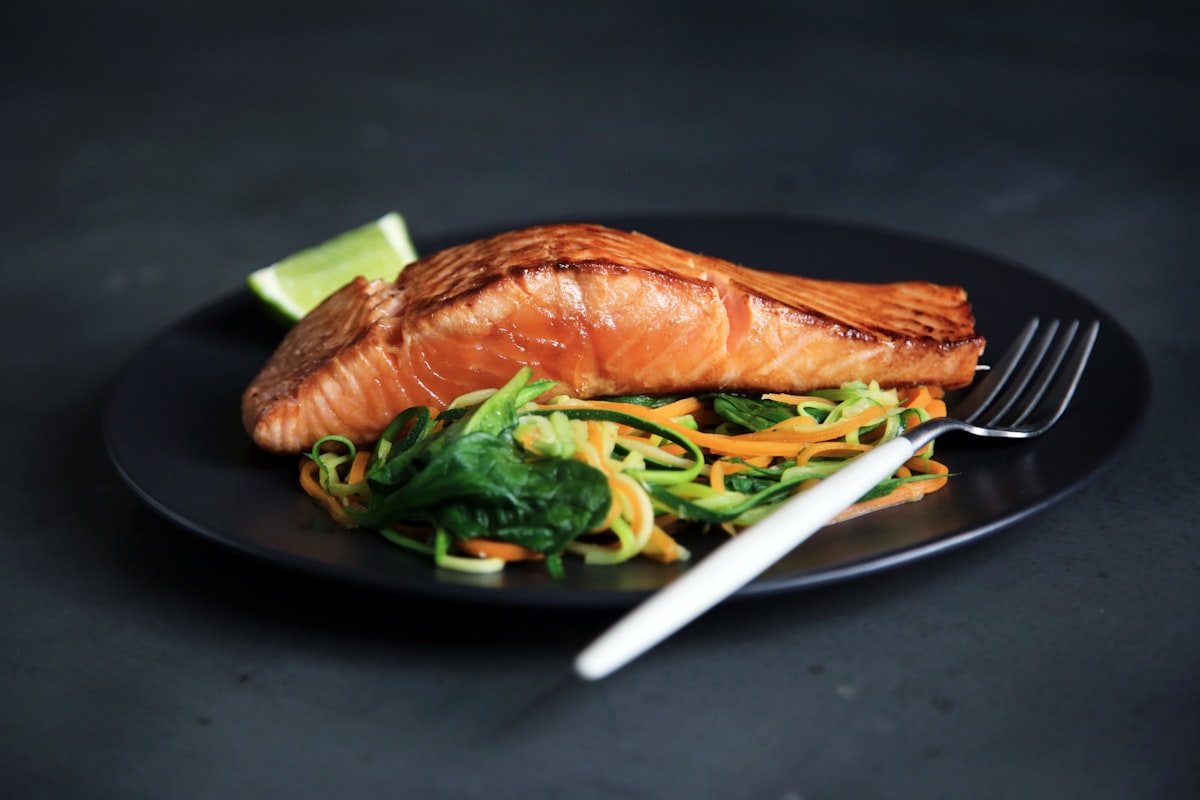
Include fatty fish like salmon, sardines, and mackerel rich in EPA and DHA. These omega-3 compounds help maintain balanced cholesterol levels and support overall cardiovascular function through multiple biological pathways.
Healthy Fat Selection
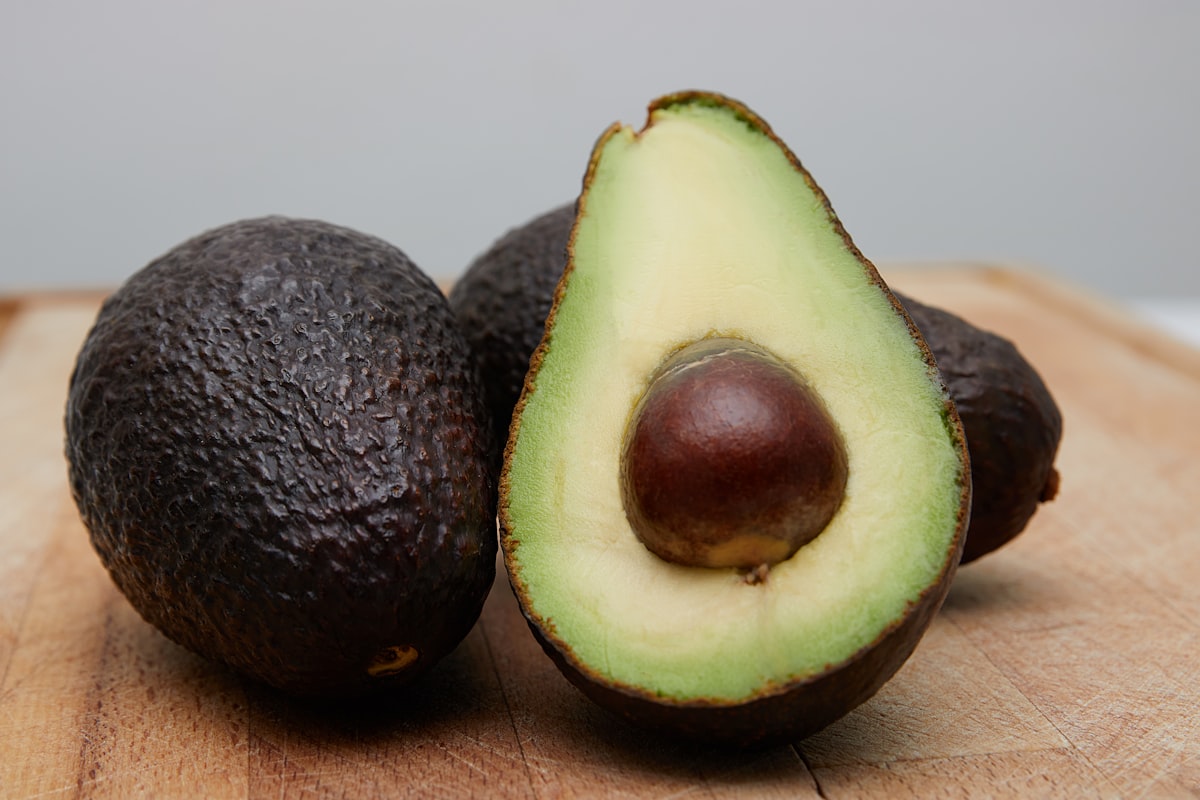
Replace saturated fats with monounsaturated and polyunsaturated options from avocados, olive oil, and nuts. This dietary shift significantly influences serum lipid composition without requiring elimination of all fats.
Soluble Fiber Excellence
Focus on oats, barley, beans, and apples containing beta-glucans and pectin. Soluble fiber creates a gel-like substance in the digestive tract that binds cholesterol and supports its elimination.
Antioxidant-Rich Foods
Consume colorful vegetables, berries, and dark leafy greens packed with polyphenols and vitamins. These antioxidants protect lipid molecules from oxidative damage, which is crucial for maintaining cardiovascular health.
Personalized Tracking & Education
Understand your unique nutritional needs through comprehensive food guides and educational articles. Our editorial approach empowers you to make informed decisions tailored to your specific situation and preferences.
Understanding Cholesterol and Diet Connection
Cholesterol exists in two primary forms in your bloodstream: LDL (low-density lipoprotein) and HDL (high-density lipoprotein). While your body produces cholesterol naturally, dietary choices significantly influence these ratios. The food you consume directly impacts the types and amounts of lipoproteins circulating through your system.
Contrary to outdated beliefs, dietary cholesterol itself has minimal impact compared to saturated and trans fats. Instead, focus shifts to supporting your body's natural cholesterol management through nutrient-dense foods. Plant-based compounds called phytosterols and dietary fiber actively work to maintain healthy cholesterol levels.
Research demonstrates that comprehensive nutritional strategies—combining soluble fiber, omega-3 fatty acids, and antioxidant-rich foods—provide measurable support for maintaining balanced cholesterol profiles. This educational approach helps you understand the "why" behind each dietary recommendation.
Learn More About FoodsYour Nutritional Transformation Journey
Four progressive steps to understand and implement sustainable cholesterol-supportive nutrition
Education & Assessment
Begin by understanding your current eating patterns and cholesterol factors. Read our comprehensive food guides to identify which foods support your nutritional goals and why each component matters.
Strategic Food Integration
Gradually incorporate cholesterol-supportive foods into your daily meals. Focus on adding plant-based proteins, increasing fiber intake, and selecting heart-healthy fats without completely eliminating foods you enjoy.
Habit Development
Build sustainable eating patterns by making consistent choices that align with your goals. Use our nutrition plans to establish routines that feel natural and enjoyable rather than restrictive or temporary.
Ongoing Refinement
Continue learning through our articles and stay informed about new nutritional research. Adapt your approach based on how you feel and your personal preferences while maintaining core cholesterol-supportive principles.
Common Questions About Nutritional Cholesterol Management
Find answers to frequently asked questions about our approach and cholesterol nutrition
Focus on whole grains, legumes, fatty fish (salmon, mackerel), nuts, seeds, avocados, olive oil, and colorful vegetables. These foods contain fiber, omega-3 fatty acids, phytosterols, and antioxidants that support healthy cholesterol levels. Our food guide provides detailed information about which specific foods offer the greatest benefits.
Nutritional changes typically show measurable effects within 2-4 weeks of consistent dietary modifications. However, everyone's body responds differently based on genetics, current eating patterns, and overall lifestyle. The key is consistent implementation of cholesterol-supportive foods rather than seeking rapid changes. Sustainable results come from long-term habit development, not short-term interventions.
No—fat elimination is neither necessary nor healthy. Your body requires essential fatty acids for numerous functions. The focus should be on selecting the right types of fats. Replace saturated fats with monounsaturated fats (olive oil, avocados) and polyunsaturated fats (nuts, seeds, fatty fish). This balanced approach supports both cholesterol management and overall nutrition.
Absolutely. Sustainable nutrition isn't about deprivation—it's about balance and informed choices. Our approach focuses on adding cholesterol-supportive foods rather than strict elimination. You can enjoy favorite foods in moderation while building your diet around nutrient-dense options. This flexible mindset makes long-term adherence much more realistic than extreme restriction.
Soluble fiber (found in oats, barley, beans, and apples) forms a gel-like substance in your digestive system that binds to cholesterol particles. This binding prevents cholesterol reabsorption and facilitates its elimination from the body. Studies consistently demonstrate that increased soluble fiber intake correlates with improved cholesterol profiles. Our nutrition plans emphasize including these fiber-rich foods in your daily diet.
LDL (low-density lipoprotein) carries cholesterol from the liver to cells throughout your body. When levels are elevated, it can accumulate in artery walls. HDL (high-density lipoprotein) works oppositely—it picks up excess cholesterol and returns it to the liver for disposal. A favorable cholesterol profile includes lower LDL and higher HDL levels. Our food guide explains which nutrients support these beneficial ratios.
Benefits Comparison: Our Nutritional Approach
How comprehensive nutrition education compares to restrictive dieting approaches
Traditional Restrictive Approach
- Focuses on elimination and denial
- Creates feelings of deprivation and frustration
- Often leads to short-term compliance only
- Lacks education about nutritional mechanisms
- May create nutritional imbalances
Our Educational Approach
- Emphasizes addition of beneficial foods
- Promotes sustainable, enjoyable eating habits
- Supports long-term lifestyle integration
- Explains the science behind each recommendation
- Maintains nutritional balance and overall wellness
Comprehensive Educational Resources
Access detailed guides and information to deepen your understanding of cholesterol nutrition
Food Guide
Detailed categorization of foods that support healthy cholesterol levels, including nutritional information and preparation suggestions for maximum benefit.Read Guide
Nutrition Plans
Structured meal planning templates and daily nutrition frameworks designed around cholesterol-supportive foods and sustainable eating patterns.
Explore PlansMethodology
Learn about the scientific principles and research foundations underlying our nutritional approach to cholesterol management.
Learn MoreStart Your Educational Journey Today
Explore our comprehensive resources and discover how nutritional science supports healthy cholesterol management. Our editorial platform provides the knowledge you need to make informed dietary choices.
Why Nutritional Knowledge Matters
Understanding the connection between food and cholesterol levels empowers you to make choices aligned with your goals. Rather than following generic prescriptions, you'll grasp the scientific rationale behind each recommendation, enabling you to adapt strategies to your lifestyle and preferences.
Our editorial approach recognizes that sustainable wellness comes from education, not restriction. By learning how phytosterols, soluble fiber, and omega-3 fatty acids support your body's natural cholesterol management, you develop intrinsic motivation for consistent dietary choices.
Vitalmalenutri is dedicated to providing comprehensive, accessible information about nutritional cholesterol management. Explore our resources, engage with our content, and discover how informed food choices can support your cardiovascular wellness journey.